Mobile App Development Companies: How to Choose the Right Technology Partner for Your Business
Mobile App Development Companies: How to Choose the Right Technology Partner for Your Business
Blog Article
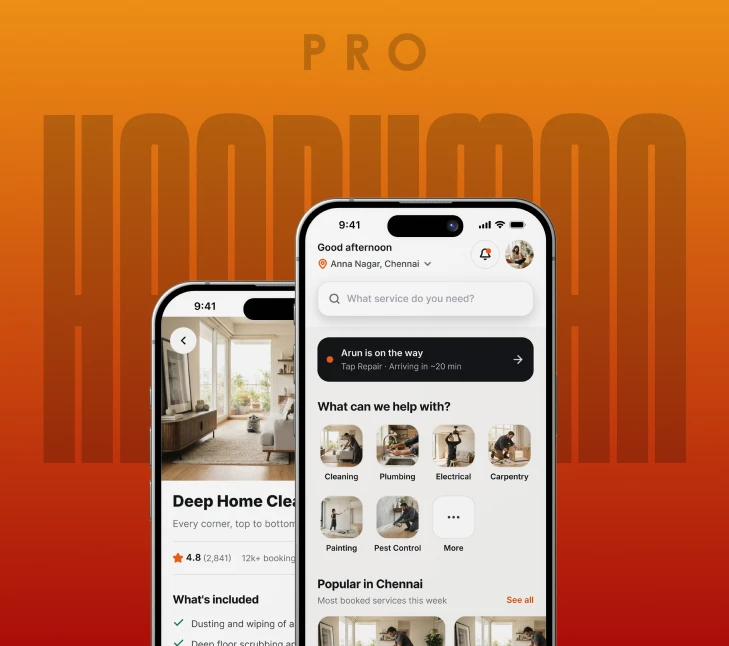
The mobile app industry has moved far beyond building simple applications that perform a handful of functions. Today, businesses use mobile technology to manage operations, connect with customers, automate processes, and introduce entirely new digital products. From early-stage startups validating an idea to established enterprises modernizing their platforms, choosing the right development partner has become an important business decision. This is why evaluating mobile app development companies requires more than comparing quotations or looking at attractive portfolio designs.
A successful mobile application begins with a clear understanding of the problem it needs to solve. Before discussing frameworks, programming languages, or interface designs, business owners should identify their target audience, expected application features, revenue model, and long-term product direction. A food delivery startup, for example, may require customer applications, delivery partner interfaces, restaurant management tools, and an administrative dashboard. A healthcare platform might prioritize appointment scheduling, secure patient information, and communication between healthcare professionals and patients. These products have different technical requirements, even though both fall under mobile application development.
What Separates Good Development Companies from Ordinary Vendors?
Technical here knowledge is only one part of successful software development. A reliable technology partner should understand how software decisions influence the entire business. This includes application architecture, user experience, backend infrastructure, database management, security, and future scalability.
One of the first things worth evaluating is the company's discovery process. Does the development team ask questions about your business objectives? Do they challenge unnecessary features? Can they explain the technical limitations of an idea without overwhelming you with jargon? These conversations reveal whether the company approaches development as a business solution or simply as a coding assignment.
Another important consideration is its ability to build products across multiple platforms. Native Android and iOS development may be suitable for applications requiring platform-specific performance and functionality. Cross-platform technologies such as Flutter and React Native can help businesses maintain applications across operating systems while managing development resources efficiently. The right choice depends on the product, not the popularity of a framework.
The Development Process Matters More Than a Portfolio
A portfolio can demonstrate design quality and previous experience, but it does not always reveal how a company handles complicated projects. Ask about its development methodology, testing practices, communication process, and post-launch support.
A structured development lifecycle generally includes:
Requirement analysis and product discovery.
Competitor research and technical feasibility assessment.
Wireframing and user experience planning.
UI design and interactive prototyping.
Frontend and backend development.
API integrations and database implementation.
Functional, performance, and security testing.
Deployment and application store preparation.
Maintenance, monitoring, and continuous improvements.
Each stage contributes to the final product. Skipping requirement analysis can create misunderstandings. Ignoring testing can introduce problems after launch. Building without considering scalability can make future upgrades expensive.
For entrepreneurs, these details are particularly important because development budgets are limited and product decisions can influence the company's growth for years.
Think Beyond the Initial Development Budget
One common mistake businesses make is selecting a development partner based entirely on the lowest quotation. Software development involves several costs beyond initial coding. Cloud hosting, third-party integrations, security updates, infrastructure monitoring, application store maintenance, and feature improvements may require continuing investment.
Instead of asking only how much an application costs, consider its total cost of ownership. A well-architected application may require more planning initially but can reduce unnecessary redevelopment later.
It is also useful to understand how ownership is handled. Businesses should clarify access to source code, cloud infrastructure, development repositories, documentation, third-party accounts, and intellectual property rights before signing an agreement.
Why User Experience and Technical Performance Must Work Together
An application can have excellent functionality and still fail if users find it difficult to navigate. Modern customers expect fast loading, clear navigation, accessible interfaces, and predictable interactions.
Developers should consider application performance from the beginning. Poor API response times, oversized images, inefficient database queries, and unnecessary background processes can negatively affect user experience.
The interface should also reflect real user behavior. A business application used by employees may need efficient workflows and information density, whereas a consumer-facing product may benefit from simpler navigation and clear visual feedback.
Companies that combine product thinking, design expertise, and engineering knowledge are better positioned to deliver applications that people actually want to use.
Evaluating Development Partners in a Competitive Technology Market
Businesses researching mobile app development companies should compare several factors rather than relying on promotional claims. Examine previous projects, technical capabilities, communication standards, development practices, and experience with similar business models.
Ask whether the company can explain its architecture decisions. Discuss how it handles changing requirements, unexpected technical challenges, testing failures, and production issues. Request realistic delivery milestones instead of accepting guaranteed timelines without understanding the scope.
For companies exploring development partners in Chennai, the same evaluation principles apply. The region has an active technology ecosystem, making it possible to explore teams with different specializations and delivery models. Code Neptune, based in Chennai, works across digital product development, mobile applications, web platforms, and software solutions, with an approach centered on understanding business requirements before selecting technologies.
Build a Product That Can Evolve
Launching an application should be treated as the beginning of a product journey rather than the end of a development contract. User feedback, analytics, feature adoption, and performance monitoring should influence future improvements.
A development partner should be prepared to support this journey through maintenance, infrastructure improvements, security updates, and additional functionality.
Ultimately, the best development decision is not necessarily the company with the biggest portfolio or the lowest price. It is the technology partner that understands your objectives, communicates clearly, makes sound engineering decisions, and takes responsibility for building a maintainable digital product.
For entrepreneurs and business leaders, choosing carefully at the beginning can make the difference between launching another application and creating a sustainable digital business.
Report this page